“Fashion is very important. It is life-enhancing and, like everything that gives pleasure, it is worth doing well.” —Vivienne Westwood
In the recently concluded BRICS+ Fashion Summit in Moscow, Russia, Cambodia-based Ilonggo fashion designer Don Protasio came, spoke and gave his perspectives. Participated in by hundreds of speakers from 60 countries, it is the Fashion Business Forum of Fast-Growing Economies and an accredited BRICS event.
The global fashion event, highlighted by intensive meetings and events, brought together fashion professionals, industry leaders, heads of national fashion weeks and industry associations, representatives of government organizations, manufacturers, retailers, investors, and designers from Asia, Africa, Latin America, the Middle East and Europe. They gathered together at the BRICS+ Fashion Summit to shape new priorities and strategic solutions for a fashion industry undergoing structural transformation, and shared their expertise.
Hot topics discussed at the BRICS+ Fashion Summit, among others, included how production and logistics chains are changing, how national heritage is becoming a competitive advantage for brands, where artificial intelligence can help designers and retailers, what the new generation of consumers expects from fashion, and how emerging brands can grow in international markets. With the Asian region being the world’s largest center of textile production and one of the main drivers of growth in fashion consumption, experts from the region spoke about how technology is changing the customer journey, how culture and entertainment are strengthening brands’ influence, and what solutions will transform garment manufacturing in the coming years. For Cambodia, the Summit provided another opportunity to expand export channels and find new growth opportunities abroad.
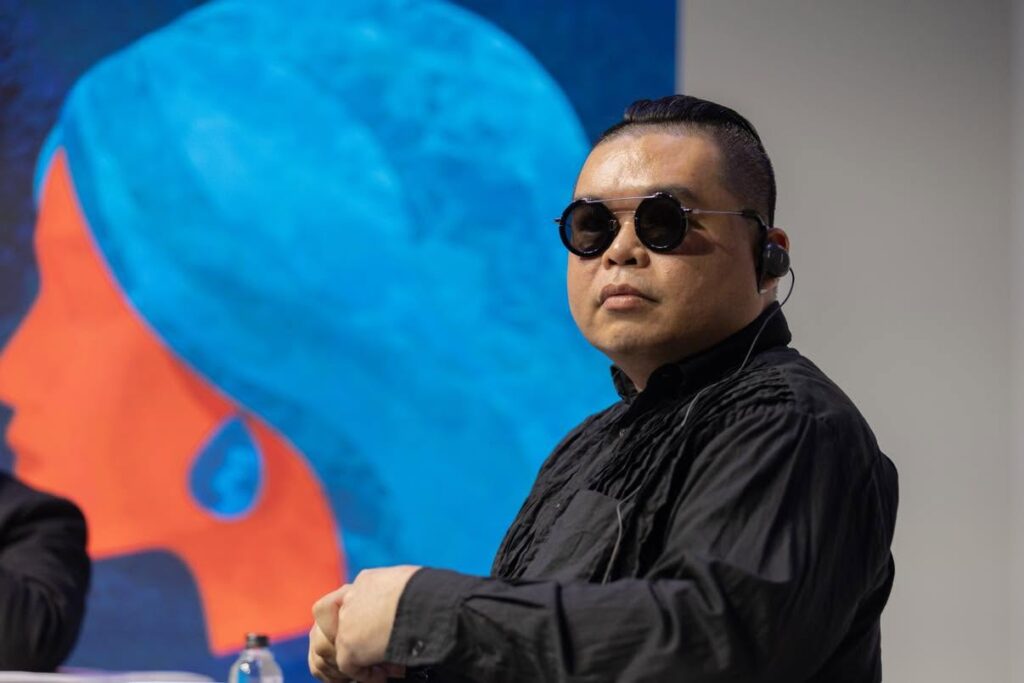
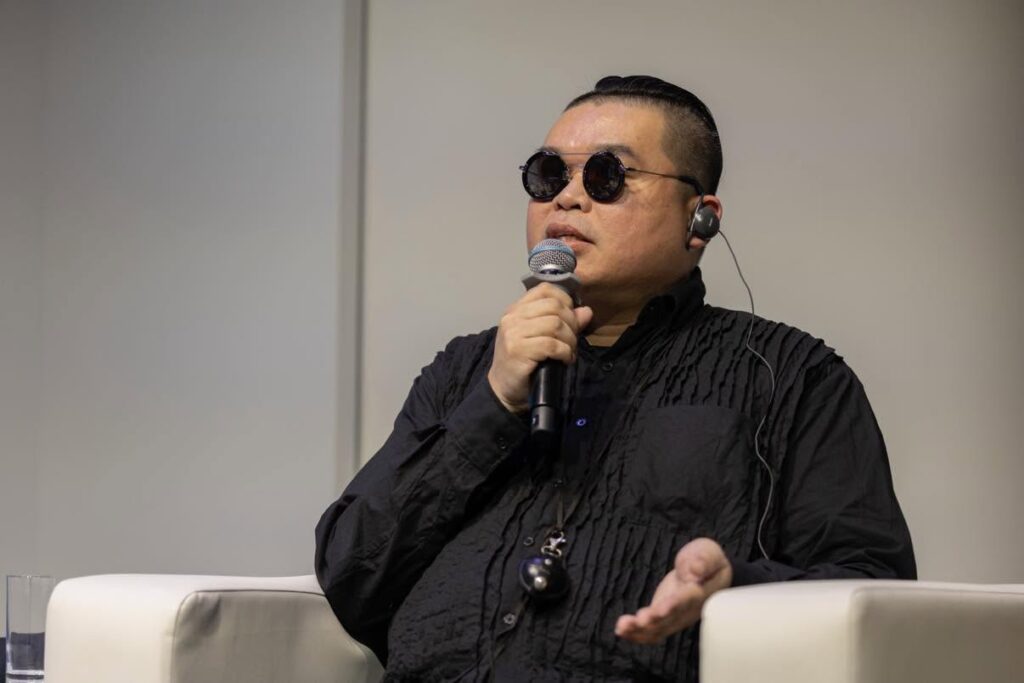
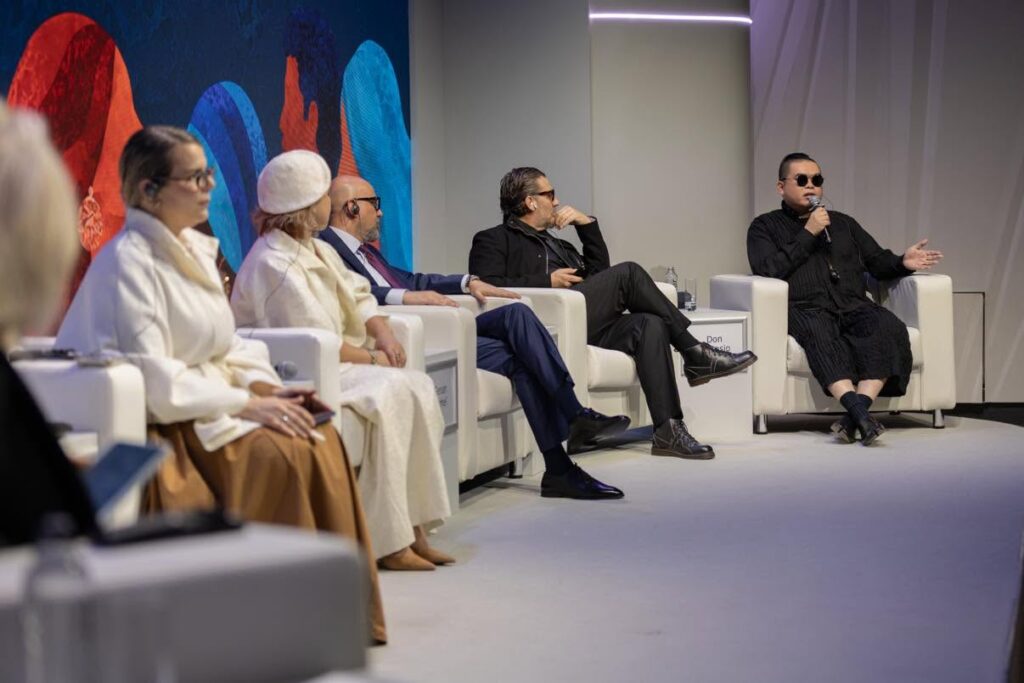
Rightfully so, Cambodia was represented at the Summit by Don Protasio. The Co-founder and Creative Director of Phnom Penh Designers Week, he took part in a discussion focused on the role of traditional crafts in modern fashion. He also pointed out that traditional craftsmanship can find a meaningful place within contemporary fashion when its handmade nature, cultural value and the time required to preserve it are properly recognized by highlighting the potential of digital tools to support artisans through design, documentation, education and production without replacing the human skill at the heart of the craft. “Art belongs to the craftspeople. Digital tools should help them preserve, develop and share their knowledge, not replace the human hand,” he noted.
The region was was also well represented at the Summit by Mubashar Naseer Butt, CEO of Body Media International Pvt Ltd (Pakistan); Nguyen Vi Huu Canh, Head of Fashion Sector of Vietnam Design Association; and Asad Sattar, Founder and Creative director of Arka Fashion Week (Bangladesh).
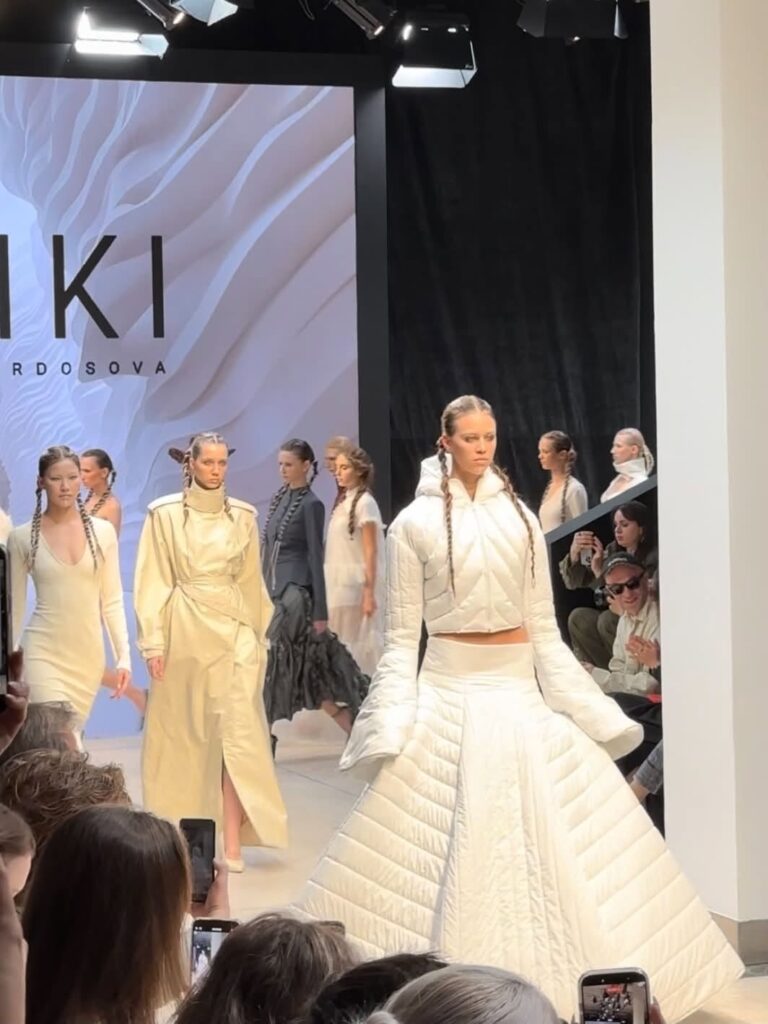
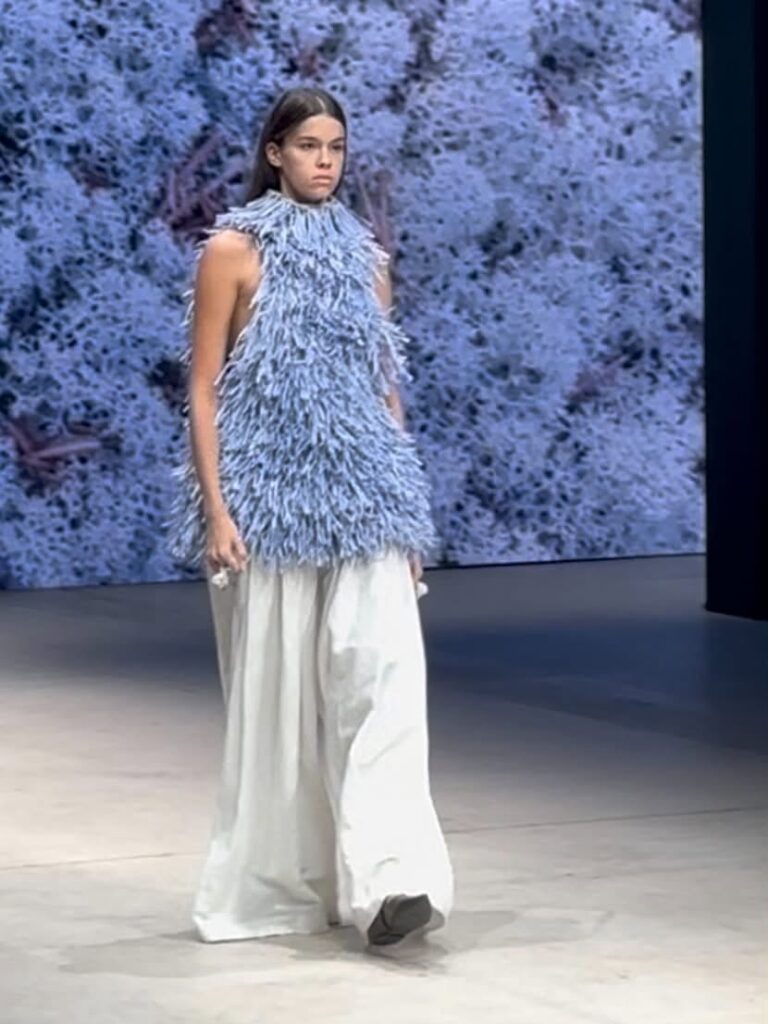
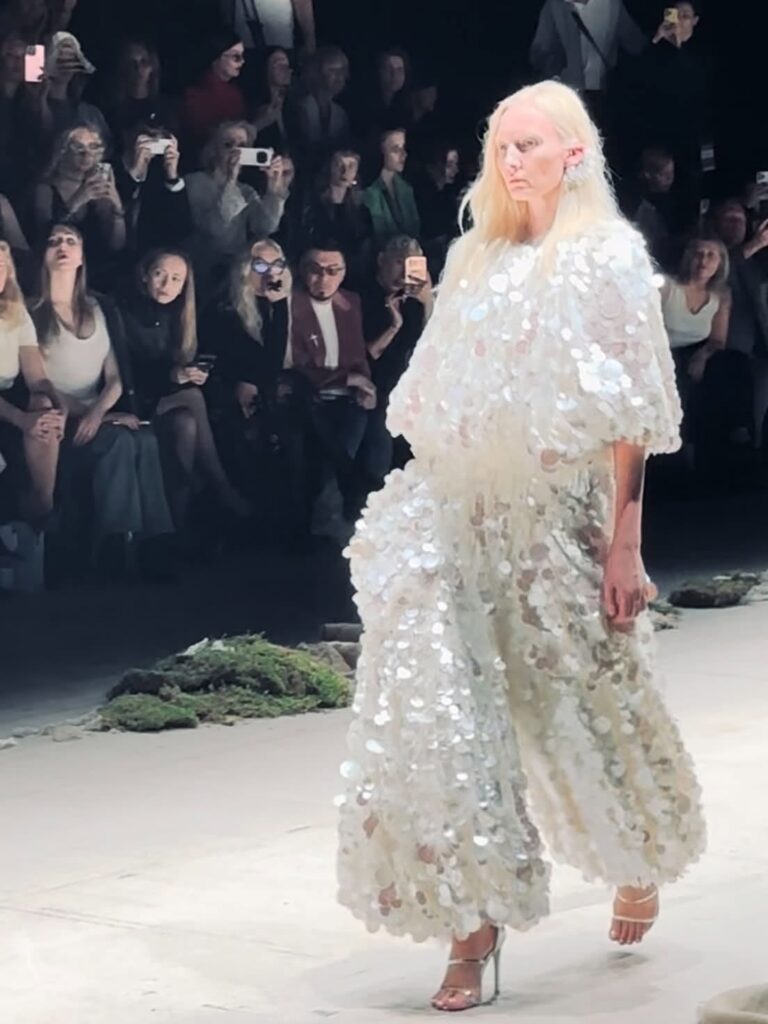
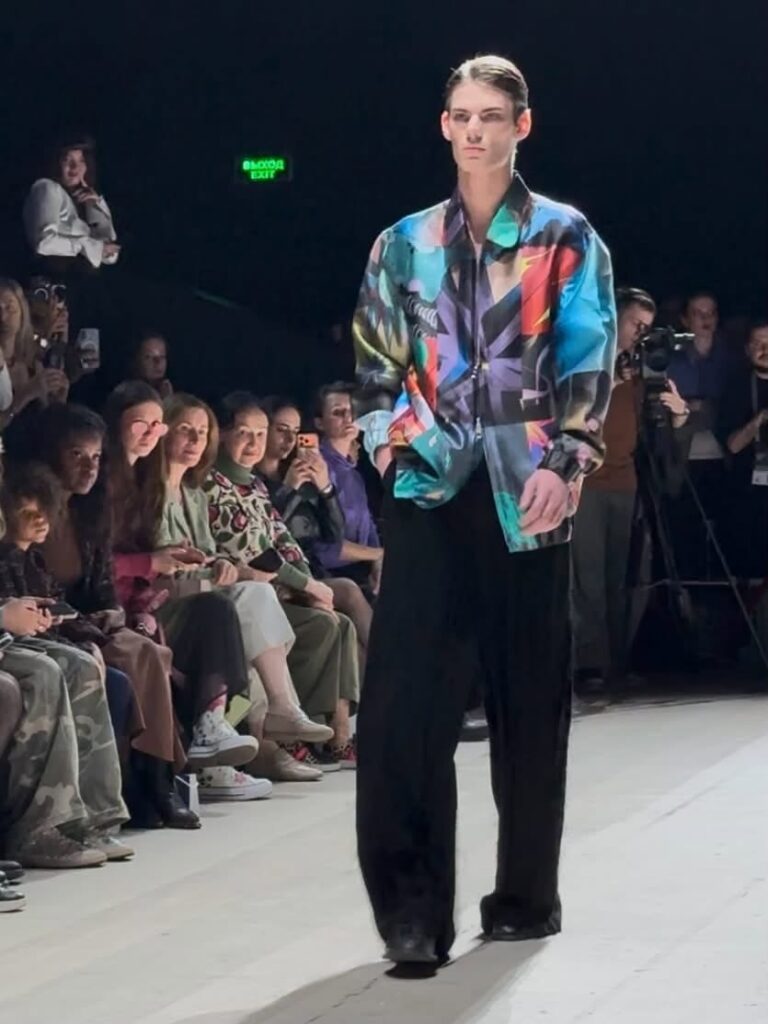
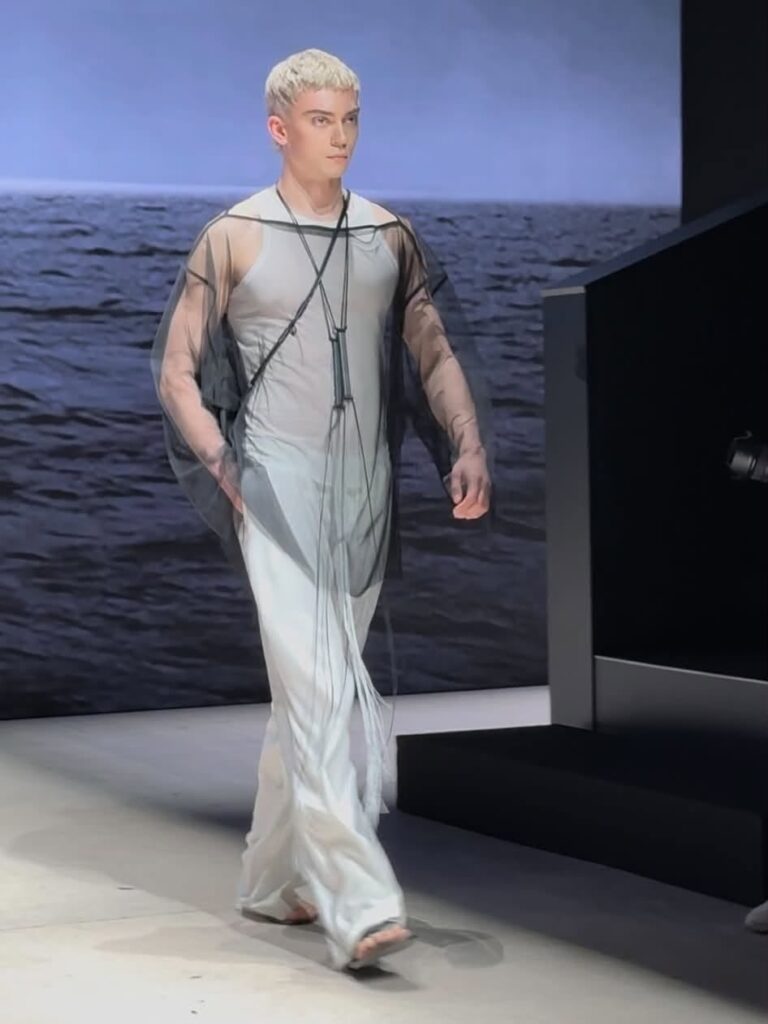
The Summit was also spotlighted by the Moscow Fashion. It was a major event on the international fashion calendar that coincided with the Summit. The largest event, showcasing emerging fashion, brought together more than 350 designers from different countries. KGL from India presented a collection there.
Needlessly so say, the BRICS+ Fashion Summit further established Moscow as a hub for international fashion cooperation. It is where business connections between countries and companies develop into partnerships and joint projects. “It was an amazing experience to witness firsthand how fashion diplomacy can connect countries, creatives, and stakeholders to a globalized economy,” Don Protasion emphasized. “Fashion has always been a tool to share culture, tradition, and open dialogues for cooperation… I look forward to represent Phnom Penh Designers Week again in future editions of BRICS+ Fashion Summit and witness Moscow Fashion Week.”
VIVA VOX:
INNIKI:
GAPANOVICH:
KGL:
IANIS CHAMALDY: